Fiji Weather By Month For Sailing: Seasons, Winds And Cyclone Months
Most month-by-month Fiji weather charts you find online are not written for sailors and are not drawn from any Fiji official source. This page sets out what the Fiji Met Service and the two sailing operators actually state, marks the gaps plainly, and helps you judge a date.
Short answer
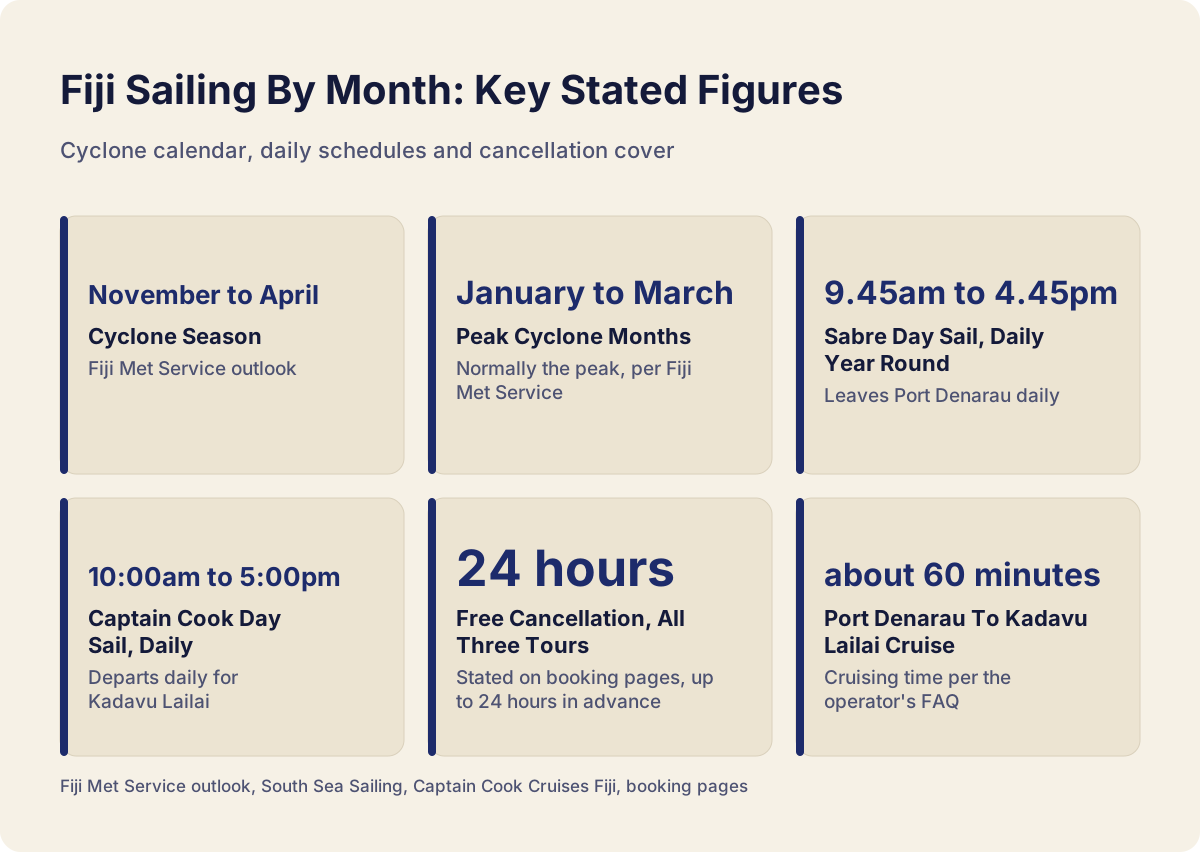
The Fiji Met Service states one firm calendar fact: the cyclone season runs November to April, with peak activity normally January to March, and the current outlook for Fiji is near normal. South Sea Cruises says its full-day Sabre trip operates daily year round. No official source states wind speed, swell or temperature by month, so those figures are not printed here.
This page sits under the season coverage on Fiji Sailing Day Trip, where the three bookable sailing day trips are compared in detail.
| Question | The stated answer | Source |
|---|---|---|
| Cyclone season | November to April | Fiji Met Service outlook |
| Peak cyclone months | Normally January to March | Fiji Met Service outlook |
| Outlook for Fiji | Near normal, around two cyclones affect Fiji each season on average | Fiji Met Service outlook |
| Sabre full-day schedule | Operates daily, 9.45am to 4.45pm | South Sea Sailing |
| Captain Cook day sail | Daily, 10:00am to 5:00pm | Captain Cook Cruises Fiji |
| Free cancellation | Up to 24 hours in advance on all three products | Booking pages |
| Wind speed by month | Not published by the operators | Gap, see below |
What The Fiji Met Service Actually Says About Season And Wind
The Fiji Met Service's official outlook for the November 2026 to April 2027 season forecasts eleven to fifteen tropical cyclones in the wider Nadi region, with two to three passing through Fiji's exclusive economic zone; Fiji's activity is expected to be near normal, averaging around two cyclones a season, and while the season runs November to April and peaks January to March, out-of-season cyclones cannot be ruled out. That is the whole official calendar. Everything else people repeat about Fiji weather, month by month wind charts, trade-wind seasons, best sailing months, comes from sources the site could not verify, and the honest position is that no Fiji Met Service or Tourism Fiji page states a sailing season or trade-wind months at all.
The regional figure deserves a careful read. Eleven to fifteen cyclones in the Nadi region sounds dramatic until you place it against the regional average of about seven, and more importantly until you separate the region from Fiji itself. The outlook says two to three cyclones are likely to pass through Fiji's exclusive economic zone, and that Fiji's own activity is near normal. A reader deciding on a February date is not choosing between calm and catastrophe; they are choosing a month inside the peak of a season that Fiji lives with every year, with sailing operators running daily through it. That framing comes from the outlook's own wording, and the Fiji Met Service outlook is the page to read it on directly.
What the outlook does not do is tell you what the wind does on any given Tuesday, or in any given month. It says nothing about wind speed, direction, swell, rainfall or temperature by month. Those figures exist nowhere in the official sources this site consulted, and repeating a table of invented averages would be exactly the kind of unverified weather claim that dates badly and misleads a sailor. When a booking decision hinges on conditions, the honest chain is: the outlook for the season, the operator's own statements about how weather changes their day, and the cancellation terms, which this page covers in full below.
- Sailing Catamaran, Buffet LunchUS$127
- Tall Ship Day Sail, BBQ LunchUS$130.87
- Day Sail Plus Sunset Dinner ComboUS$200.21
The Best Time For A Fiji Day Sail By Month
No official source names a best month to day sail in Fiji, so this page will not invent one. The only month-bound facts are the cyclone calendar, November to April with a peak normally January to March, plus the schedules: the South Sea Sailing Experience on Sabre leaves Port Denarau at 9.45am daily year round, and Captain Cook's Island and Reef Day Sail departs daily at 10:00am for Kadavu Lailai in the Mamanuca Islands. What you can do with the calendar is reason about risk and cover, and that reasoning is more useful than a fake table of wind averages.
Start with the shape of the year. If your dates fall between May and October, you are outside the stated cyclone season, and the only weather facts that matter to your booking are the operators' daily schedules and the 24-hour free cancellation each booking page lists. If your dates fall between November and April, you are inside the season; January to March is the stated peak. Inside the season the trips still run daily per the operators, but the chance that a severe-weather cancellation touches your date is the thing you are actually managing, and the mitigation is simple: keep a spare day, and know the refund rules before you pay.
On trade winds, the only wording any operator publishes is Coral Cats Sailing Fiji's own page, which describes its sail home on the "South East trade wind". That is one operator's description of its own trip, not an official statement of wind months, and Coral Cats is not one of the options covered here. Southeast trade winds exist in Fiji as a general phenomenon, but no official source states when they blow, how strongly, or for how long, so this page prints no months, no knots and no season for them. Any site that tells you "trade winds blow May to October" is filling a gap the officials left open.
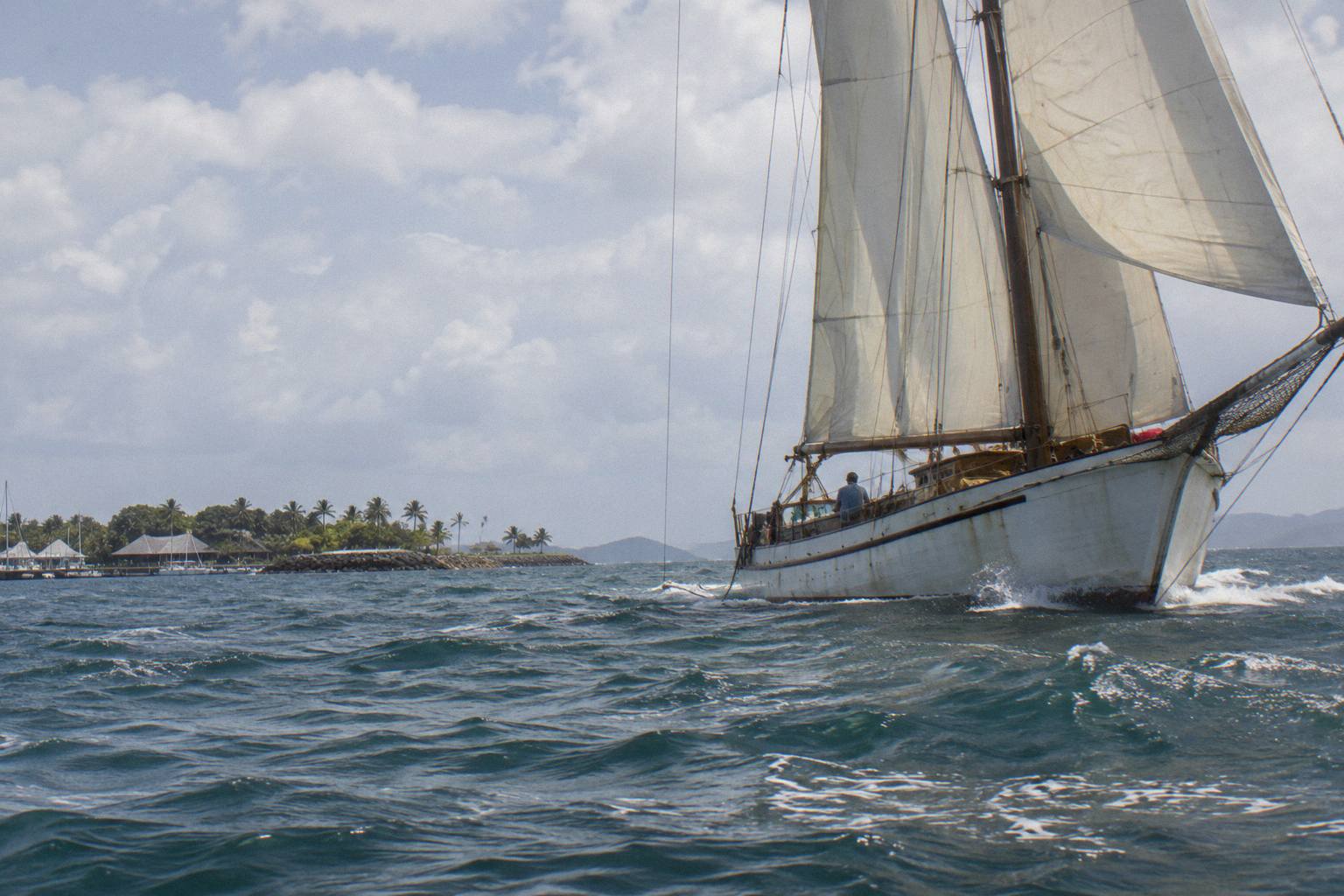
The practical decision framework, using only stated facts, looks like this. First, place your dates against the cyclone calendar. Second, check that your chosen product runs daily: the Sabre day sail and the Spirit of the Pacific day sail both do, per the operators. Third, look at the cancellation cover: free cancellation up to 24 hours ahead on the booking pages for all three products, plus Captain Cook's stated severe-weather process. Fourth, if you are travelling in January to March, build a backup day into the itinerary rather than anchoring your whole trip to one sailing date. That framework answers "when should I sail" more honestly than any best-months claim, because it uses only what is stated and tells you exactly where the gaps are.
The three covered options suit that reasoning differently. The Sabre day sail is a single 7-hour day, easy to slide to a backup date. The Captain Cook day sail is the same shape, 10:00am to 5:00pm. The day sail and dinner combo adds a second booked element, the sunset dinner cruise on the sailing catamaran Fiji One, and the operator does not publish whether both legs run on the same day, so a weather change touches two bookings rather than one, a point worth weighing if your dates sit in the peak months.
If you want to go deeper on the season question specifically, the site's page on sailing during the cyclone months works through the same official facts from the booking-decision side.
How Rough Is The Water On A Fiji Day Sail?
No official source quantifies the sea state, swell, or wave height on a Fiji day sail, so there is no verified roughness rating to cite; instead, South Sea Cruises says the Sabre itinerary depends on warm tropical breezes and sea conditions, and Captain Cook cancels for severe weather more than 12 hours ahead when the master skipper judges it necessary, meaning conditions steer the day rather than a fixed schedule. Anyone promising calm seas or rough seas for a given month is guessing.
The gap between what people ask and what sources say is widest here. Search results will happily supply wave heights and "calm lagoon" claims. None of that comes from the operators or from the Fiji Met Service pages consulted for this site. What the operators do state, honestly and usefully, is that weather changes the plan: the Sabre itinerary moves with the conditions, the Captain Cook master skipper holds authority to cancel for severe weather, and neither operator promises sea state in either direction. That silence is not evasive, it is how a weather-dependent product tells the truth: the sea on your date will be whatever it is, and the operator's job is to run the day safely within it.
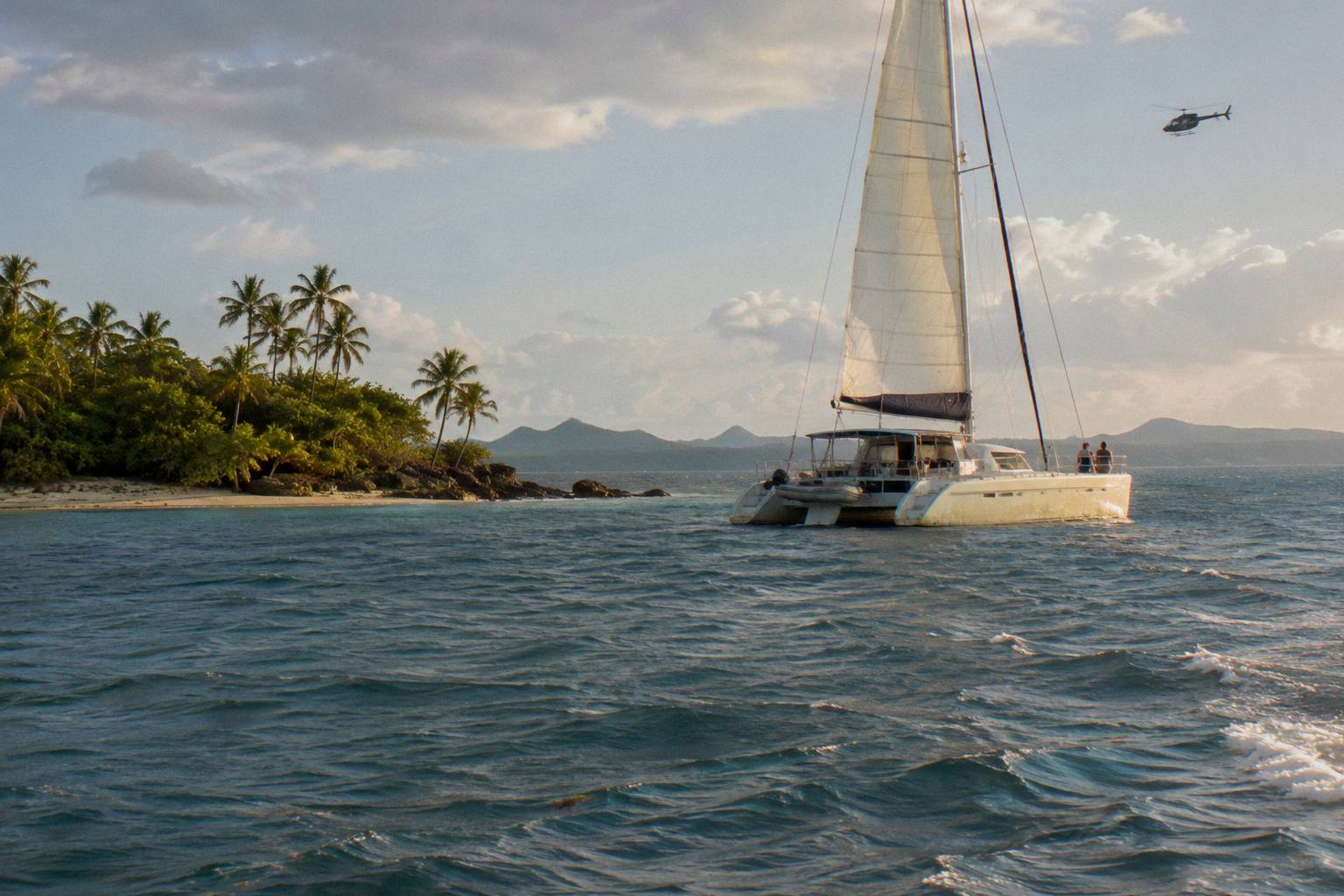
Two structural facts do bear on the question without describing the water. Kadavu Lailai, the Captain Cook day-sail island, is about 60 minutes cruising time from Port Denarau per the operator's FAQ, so the exposure to open water between the marina and the island is bounded by that stated leg. The Sabre day sail's stops are a swim and snorkel at a tropical reef and a private island and sand cay called South Sea Cay, per one operator page, and the operator does not publish specific reef names beyond that. Neither fact tells you the sea is flat or lumpy, but both tell you the shape of the day you are buying.
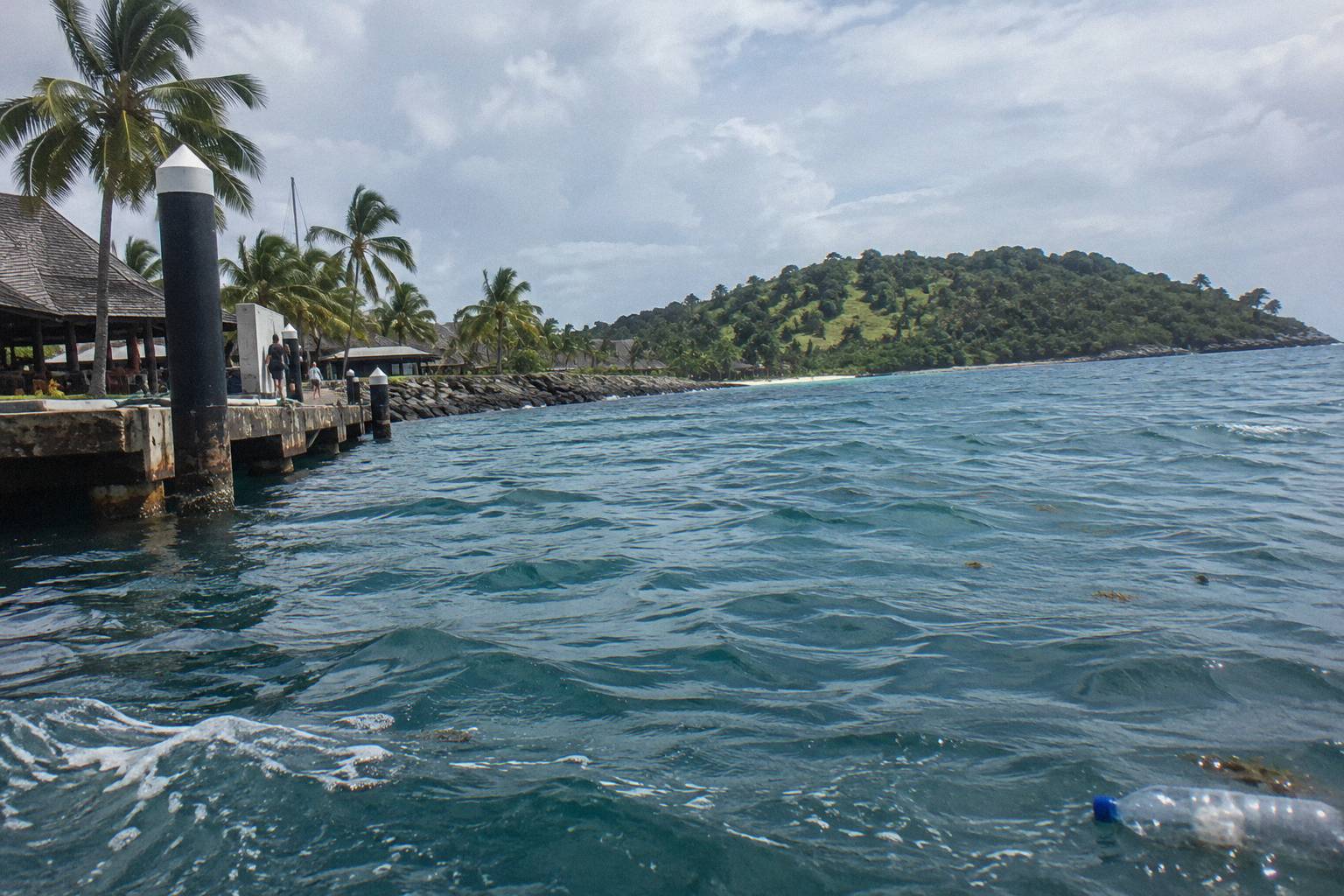
For a date-specific judgement, the honest route is to ask the operator directly, since crew see the actual conditions daily and neither operator publishes them. Ask what the recent crossings have been like, whether the itinerary has shifted in the past week, and how the skipper calls a rough day. Those questions get you real information; a month-by-month swell table gets you someone's invention.
The Spirit of the Pacific day sail is the product where the stated facts most directly answer the rough-water worry, because its severe-weather process is published: cancel or transfer where possible, refund in full if neither works. If your question is "what happens if it is too rough to run", the answer exists on paper, and it favours the guest.
What Each Operator Says About Wind, Sea And Cancellations
South Sea Cruises states that the Sabre day sail's itinerary depends on the warm tropical breezes and sea conditions, and as its own pages carry no weather or cancellation policy, the booking page's 24-hour free cancellation is the stated cover, while Captain Cook Cruises Fiji states that in severe weather its master skipper will endeavour to cancel more than 12 hours before departure, offering a full refund if guests cannot change dates or transfer to another cruise. Those are the only two operator positions on weather that exist, and they are different in kind: one is silent beyond the booking page, one publishes a skipper-led process.
| Product | Operator's stated weather position | Booking page cancellation |
|---|---|---|
| South Sea Sailing Experience (Sabre) | Itinerary dependent on warm tropical breezes and sea conditions; no weather policy on operator pages, ask the operator | Free cancellation up to 24 hours in advance |
| Captain Cook Island And Reef Day Sail | Master skipper endeavours to cancel for severe weather more than 12 hours ahead; full refund if no date change or transfer possible | Free cancellation up to 24 hours in advance |
| Captain Cook Day Sail And Sunset Dinner Combo | Day-sail weather position as above; dinner leg's weather terms not published separately | Free cancellation up to 24 hours in advance |
Read the two positions side by side and a pattern appears. The Sabre position is descriptive: conditions shape the itinerary, which is why the operator can say the trip runs daily, because "runs" can mean a shifted plan rather than a fixed route. The Captain Cook position is procedural: there is a named decision-maker, the master skipper, a stated timing commitment, more than 12 hours' notice where possible, and a defined refund end-state. Neither is better in any provable way, but they answer different traveller anxieties. If you want to know who decides and when, the Captain Cook island day sail page states it. If you want to know whether the Sabre trip has a published weather threshold, it does not, and the South Sea Sailing day trip page is where its daily schedule and itinerary wording live.
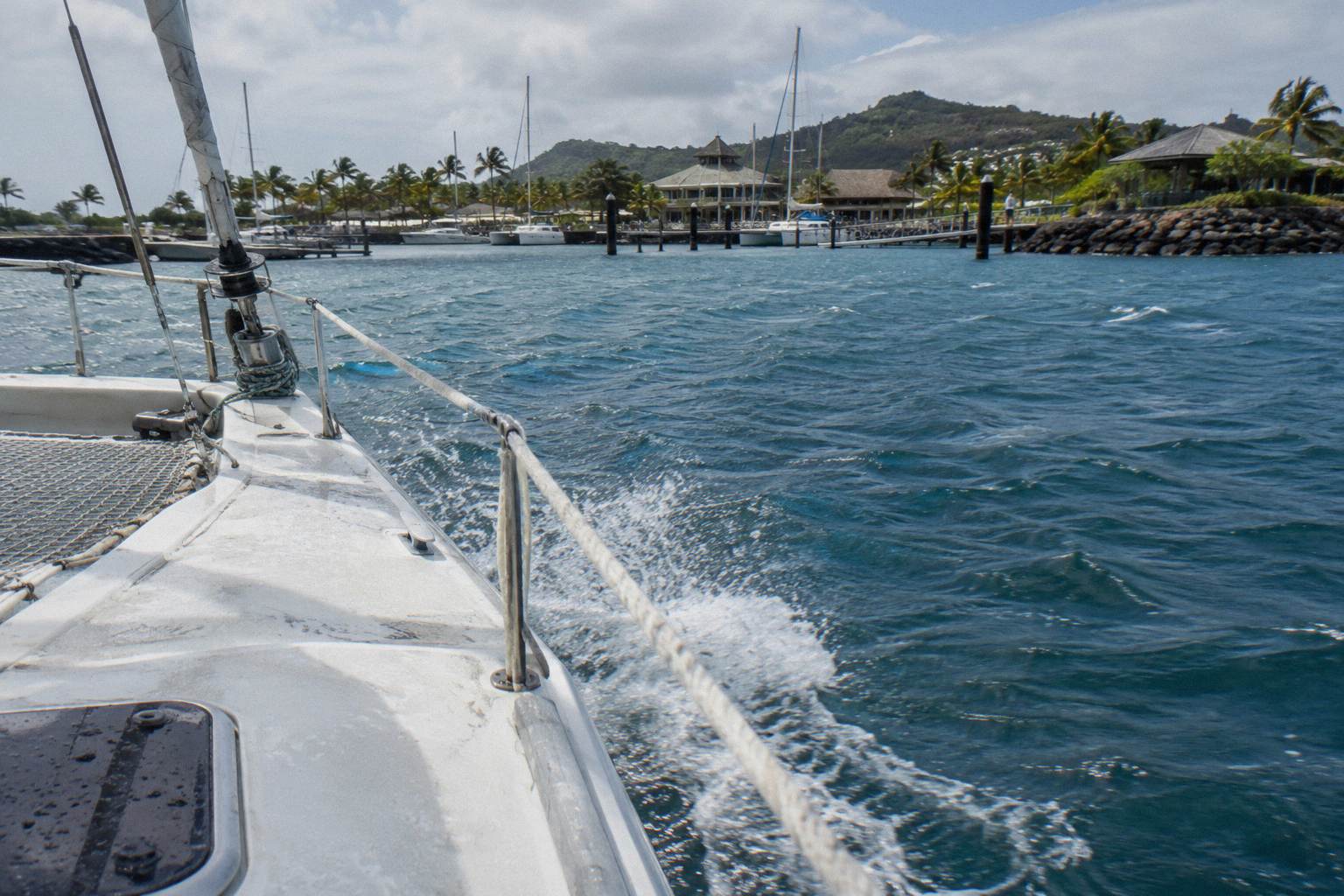
The combo adds one wrinkle worth naming once. It pairs the day sail with the sunset dinner cruise on Fiji One, and the operator gives 10 percent off the dinner cruise when combined with the day sail. The operator does not publish whether both legs run on the same day. If weather cancels the day sail, the fate of the discounted dinner leg is not published either; ask the operator before booking the combo in the peak cyclone months, because that is the one product where a weather event touches two linked elements under one booking.
Seasickness On A Fiji Sailing Boat: Who Gets It And What Helps
No operator page consulted says anything about who gets seasick on these Fiji day sails, how common it is, or what remedies and facilities are offered, so no page should tell you the crossings are smooth or that catamarans do not trigger it. What is stated is thinner: both day sails run about 7 hours, the Sabre trip uses a 78-foot sailing catamaran, and Captain Cook reaches its island in about 60 minutes of cruising. Anyone sensitive to motion should plan from those facts and ask the operator the rest.
The reason this section cannot be filled with reassurance is that every reassuring claim would be invented. Seasickness depends on the sea on the day, the vessel's motion in that sea, your own body and where you sit, and not one of those variables is published for these products. What a careful reader can do is reason from duration and structure. A 7-hour day has long stretches where the boat is the venue: Sabre anchors for snorkelling and paddleboard use, and the Captain Cook day spends its middle hours on Kadavu Lailai, where the listed activities include kayaks, glass-bottom boat tours, a nature walk and volleyball, all off the boat. Time ashore or at anchor is time not spent in a moving hull, and that is a fact of each itinerary, not a promise about your stomach.
Preparation is the part you control. The standard travel-medicine advice, motion-sickness tablets taken before boarding rather than after symptoms start, is general practice rather than a Fiji or operator statement, and a pharmacist or doctor can match a product to you. On the practical side, both operators publish short packing lists: South Sea Sailing asks for a towel, swimwear worn under clothes before boarding because changing space is limited, a small bag, sunscreen and a hat; Captain Cook lists a towel, hat, sunscreen and reef shoes as optional. Neither list mentions seasickness aids, which is consistent with the rest of the silence, and worth correcting with your own supply.
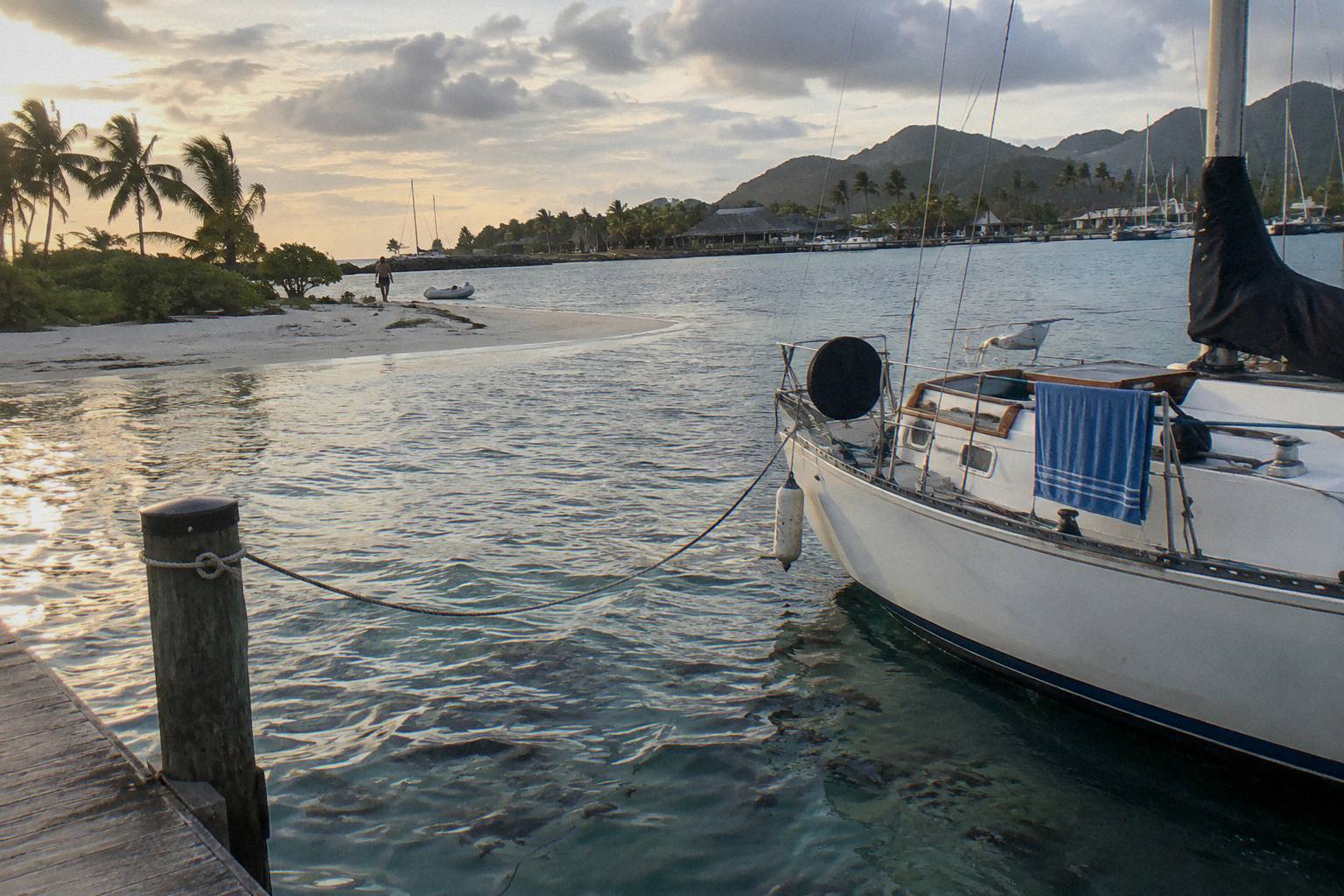
If seasickness is a serious concern for anyone in your group, the question to ask the operator is specific: how much of the day is spent under way versus at anchor or ashore. No operator states a split, and this site will not estimate one, but the crew can answer it for the actual conditions of your date. That single question, asked before you pay, does more than any month-by-month claim about sea state could.
The Sabre day sail's stated shape, a morning departure at 9.45am, a return at 4.45pm, and stops for snorkelling and paddleboard use at anchor, makes it easy to ask that question in concrete terms, and the South Sea Sailing Experience tour page lists the full inclusions to weigh alongside it. If the answer satisfies you, you can check availability for your dates while free cancellation still applies up to 24 hours ahead.
Booking Around Weather: Cancellation Rules And Timing
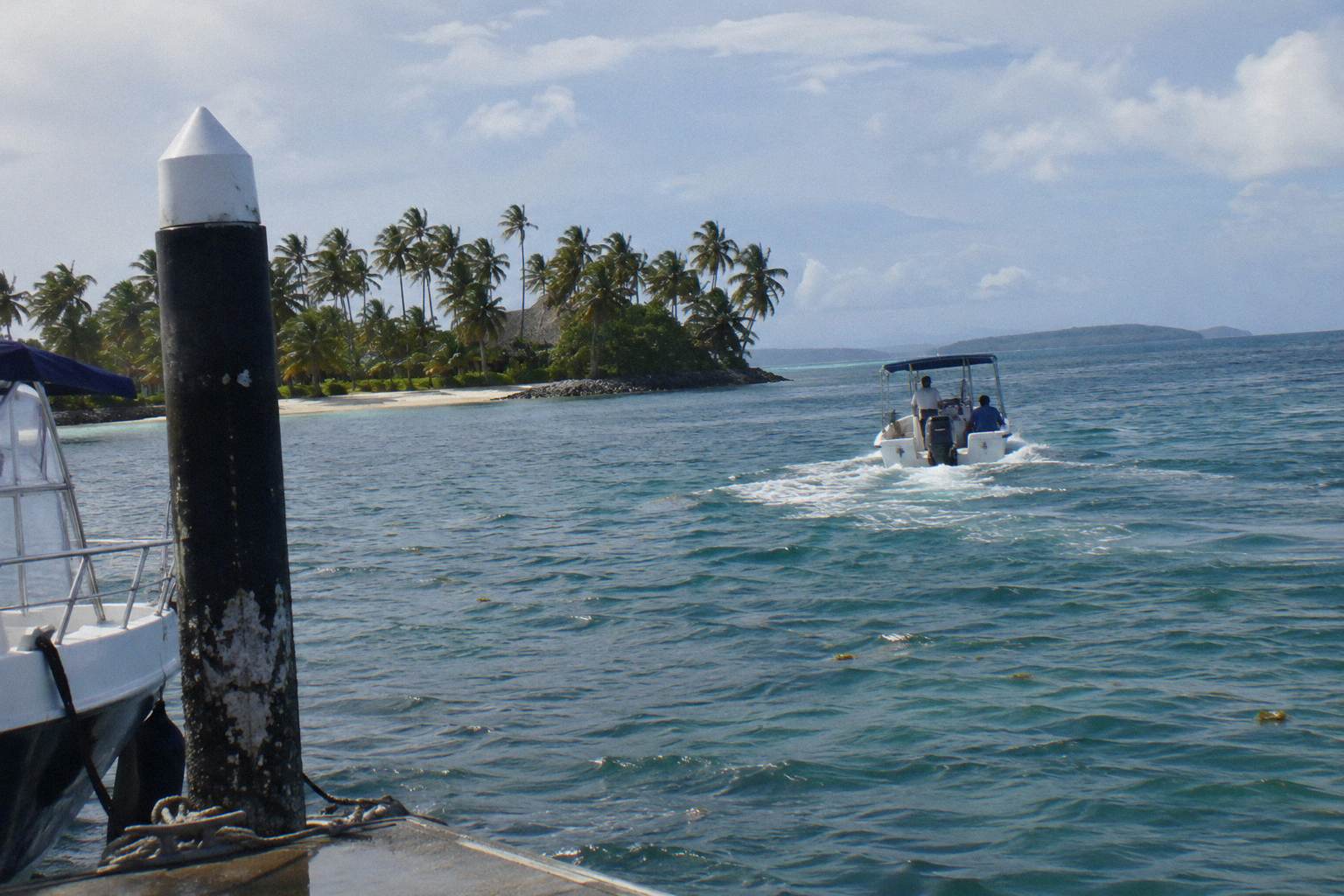
All three products show free cancellation up to 24 hours before departure for a full refund on their booking pages, and that single stated rule is your main tool for booking around Fiji weather. Captain Cook adds that its master skipper will endeavour to cancel for severe weather more than 12 hours ahead, with a full refund if you cannot change dates or transfer, while South Sea Cruises states no weather policy, leaving booking page terms as the cover. The practical play is to book early, watch the forecast inside the free window, and hold a spare day in the itinerary.
Timing the decision is where most of the value sits. If your sailing date is inside the cyclone season, the 24-hour free-cancellation window means you can hold the booking while the short-range forecast firms up, and cancel without cost if it turns against you, or rebook a day later, subject to availability. The one thing you cannot self-serve is a same-day weather call: inside 24 hours the operator's terms govern, which is why Captain Cook's stated skipper-led process and full-refund end state matter, and why the Sabre trip's lack of a published operator policy is worth a pre-booking question. Ask, do not assume, what happens if the operator cancels the Sabre day for weather; the answer exists at the operator even though it is not on the page.
| Booking move | What the stated rules allow | When to use it |
|---|---|---|
| Book well ahead | Free cancellation up to 24 hours before departure, all three products | Popular dates, or when a spare day exists later in the trip |
| Cancel inside the free window | Full refund per the booking page | Forecast turns against you more than 24 hours out |
| Operator cancels for severe weather | Captain Cook: refund in full if no date change or transfer possible; Sabre: ask the operator | Inside 24 hours, or any time the skipper calls it |
| Shift to another date | Subject to availability; Captain Cook names date transfer as an option in its weather process | Instead of a refund where a spare day exists |
The spare-day strategy deserves its own sentence. Nothing stated prevents booking two sailing days, using the free cancellation on the one with the better forecast, but availability decides whether that works, and availability is never promised. The simpler version is to leave one flexible day after your intended sailing date in any November-to-April itinerary, so an operator-side cancellation or a self-cancelled booking becomes a one-day slip rather than a lost experience. For the full anatomy of what happens when weather cancels a trip, the site's page on what happens when a Fiji day sail is cancelled for weather covers refunds, transfers and timing in detail.
One tax note belongs here because it touches cancellations and money. The Fiji Revenue and Customs Service notice states a 5 percent Tourism Services Tax starts on 1 September 2026 for qualifying tourism services supplied or consumed from that date by businesses above the prescribed turnover threshold; print it only as the notice states it, never as an assumption about any named operator's price, per the FRCS tourism tax notice. South Sea Cruises separately states its FJD prices include taxes and are valid for travel to 31 March 2028; the Captain Cook page does not say. Tax wording is operator-specific, and it does not transfer between them.
What Trips People Up When Planning Around Fiji Weather
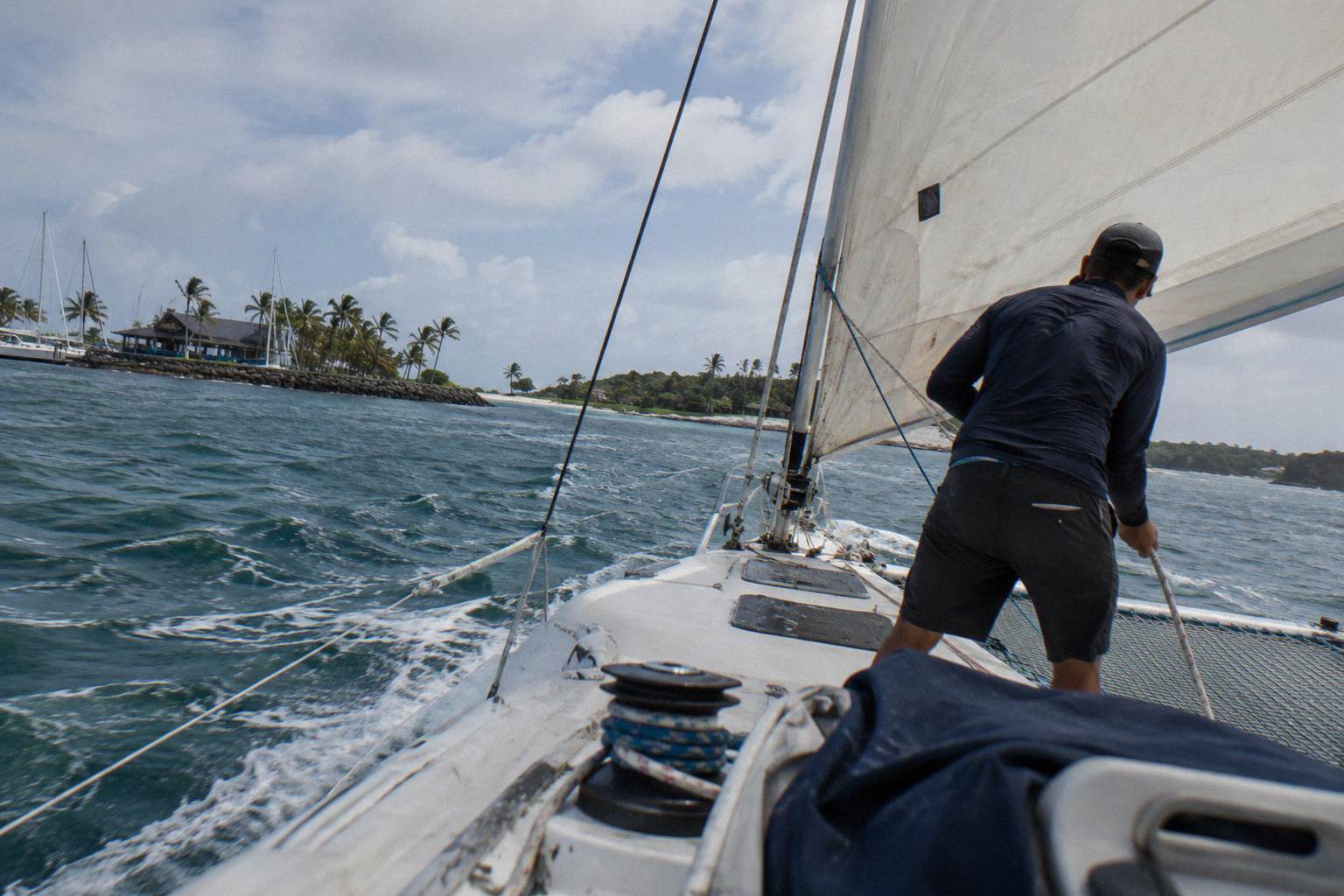
The recurring traps are invented month-by-month wind and swell charts, "best months" claims no official source makes, assuming both operators offer identical weather cover because their free cancellations match, and reading a regional cyclone outlook as if it described Fiji, which sits near normal. Each mistake fills official silence with confident noise, when the stated facts are few but enough to book well.
The first trap is the invented chart. Every figure this page could not verify, wind knots by month, swell heights, water temperatures, rainfall averages, has been left out deliberately, and a reader who finds those numbers elsewhere should ask what source produced them. The Fiji Met Service publishes a cyclone outlook, not a sailing-climate atlas, and Tourism Fiji states no sailing season. Silence from officials is not an invitation for a travel site to guess.
The second trap is treating near normal as a promise. The outlook for Fiji is near normal, around two cyclones affect Fiji each season on average, and out-of-season cyclones cannot be ruled out. None of that predicts your week, and none of it promises a cyclone will miss your dates. It is a seasonal-scale statement, useful for choosing how much cover to build into an itinerary, not a forecast.
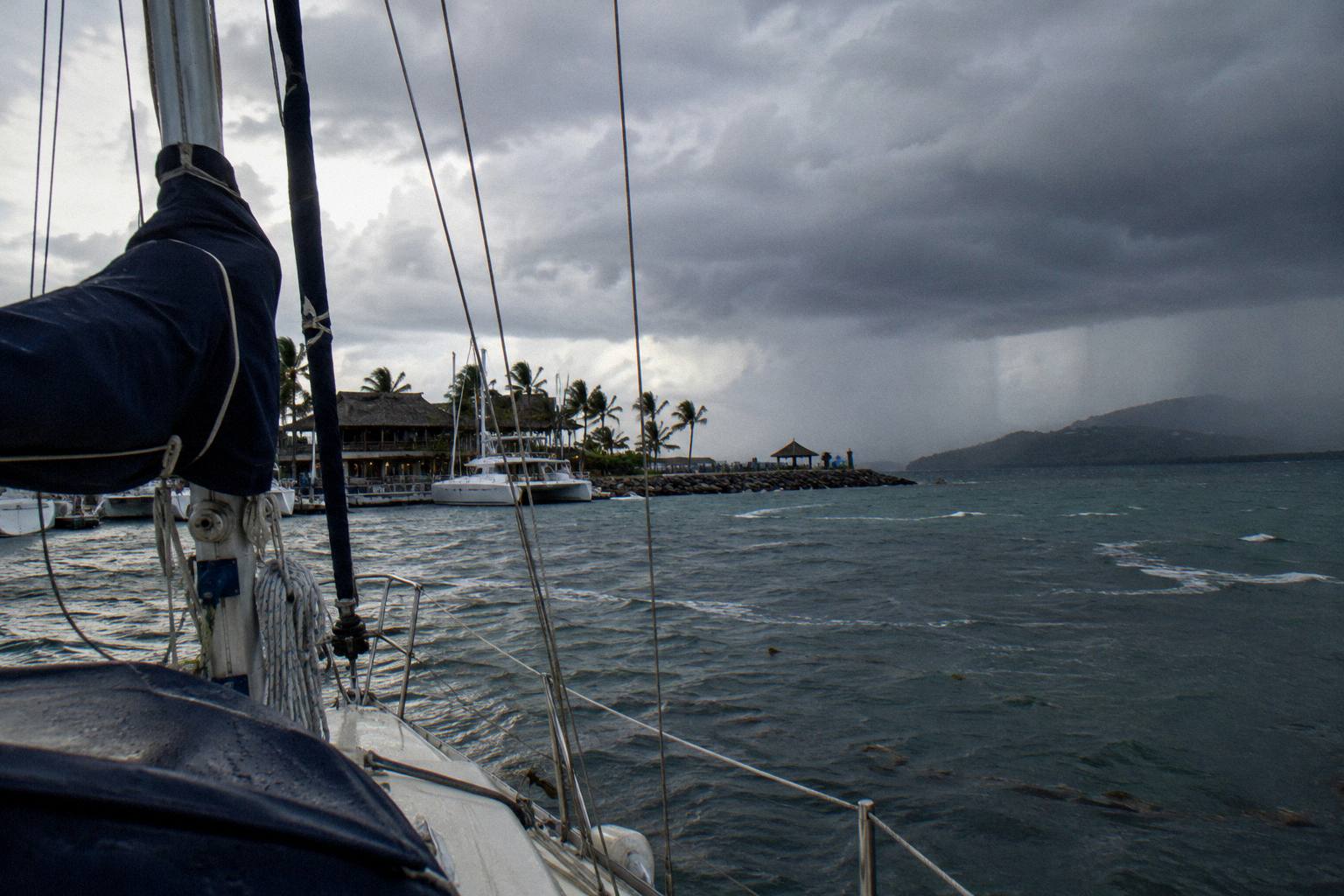
The third trap is assuming symmetry between the operators. Captain Cook publishes a skipper-led severe-weather process with a refund end state; South Sea Cruises' own pages publish none, and its cover is the booking page's 24-hour rule. The fourth trap is the combo: it links a day sail and a dinner cruise under one discounted booking, and the operator does not publish how weather affects the two legs, so peak-season bookers should ask before paying. The fifth trap is scheduling a single sailing day at the very end of a January-to-March trip, with no slack to rebook; the stated facts make a spare day the cheapest weather insurance available.
Common Questions About Fiji Weather By Month
What Is The Best Time To Sail Fiji?
No official source names a best time to sail Fiji. The stated calendar facts are the cyclone season, November to April with a peak normally January to March, and that both covered day sails operate daily year round. Build your choice on those facts plus the 24-hour free cancellation, not on invented wind averages.
Is The Sea Rough In Fiji?
No operator or official source publishes sea-state data, so no firm answer exists. South Sea Cruises says the Sabre itinerary depends on sea conditions, and Captain Cook's master skipper can cancel for severe weather more than 12 hours ahead. Ask the operator about recent conditions for your dates.
When Is Cyclone Season In Fiji?
November to April, per the Fiji Met Service outlook, with peak activity normally January to March. The outlook for Fiji is near normal, around two cyclones affect Fiji each season on average, and out-of-season cyclones cannot be ruled out.
Does The Sabre Day Sail Run In Cyclone Season?
South Sea Cruises states the full-day Sabre trip operates daily with no seasonal gap. The itinerary is dependent on the warm tropical breezes and sea conditions, and the booking page lists free cancellation up to 24 hours in advance.
What Happens If Weather Cancels A Fiji Day Sail?
For the Captain Cook day sail, the master skipper endeavours to cancel more than 12 hours before departure, and guests who cannot change dates or transfer receive a full refund. For the Sabre day sail, no operator weather policy is published; the booking page's 24-hour free cancellation is the stated cover, so ask the operator about operator-side cancellations.
What About Seasickness On A Fiji Sailing Day?
No operator states seasickness rates, sea state or remedies for these products. Both days are about 7 hours with time at anchor or ashore built into each itinerary. Take general travel-medicine advice before boarding and ask the operator how the day splits between cruising, anchoring and island time.